Een diepgaande analyse van de marketingafbeeldingen, productclaims en de vergelijking tussen de geadverteerde resultaten en de verwachtingen in de praktijk van bedrijven die klikfineer op Pinterest aanbieden.
Pinterest is nu een broedplaats voor misleidende advertenties voor Pinterest Snap-On Veneers . Deze campagnes gebruiken glanzende, 'perfecte' glimlachtransformaties en oogverblindend witte tanden als wapen om nietsvermoedende gebruikers te verleiden tot de aankoop van goedkope, frauduleuze producten.
Dit zijn niet zomaar advertenties; het zijn berekende misleidingen. Deze bedrijven opereren door middel van schaamteloze manipulatie en zetten frauduleuze marketingtactieken in waarbij winst belangrijker is dan consumentenveiligheid en elementaire eerlijkheid.
Het probleem zit diepgeworteld. Verkopers maken routinematig gebruik van gestolen foto's, door AI gegenereerde gezichten en zwaar bewerkte afbeeldingen om resultaten te vervalsen. Door intellectueel eigendom te stelen en agressieve, opdringerige verkooptechnieken toe te passen, ondermijnen ze effectief de transparantie om impulsieve, ondoordachte aankopen af te dwingen.
Dit is geen marketing; dit is een uitgekiende valstrik. Deze bedrijven wekken opzettelijk onrealistische verwachtingen en verbergen hun ondermaatse producten achter een digitaal rookgordijn van door AI versterkte leugens en gestolen content.
Marketingafbeeldingen versus daadwerkelijke fineerresultaten
Consumenten die online zoeken naar verwijderbare facings krijgen vaak het volgende te zien:
- Extreem witte, symmetrische glimlachen
- Onrealistisch gladde huid en gelaatstrekken
- Dramatische vergelijkingen van voor en na
- Perfecte belichting en uiterst professionele promotiefotografie.
Hoewel professionele marketingfotografie gebruikelijk is in de reclame, roepen sommige afbeeldingen vragen op over de vraag of de geadverteerde resultaten een accurate weergave zijn van de daadwerkelijk verkochte fineerlagen.
Evaberry New York / AuraSmile fineer
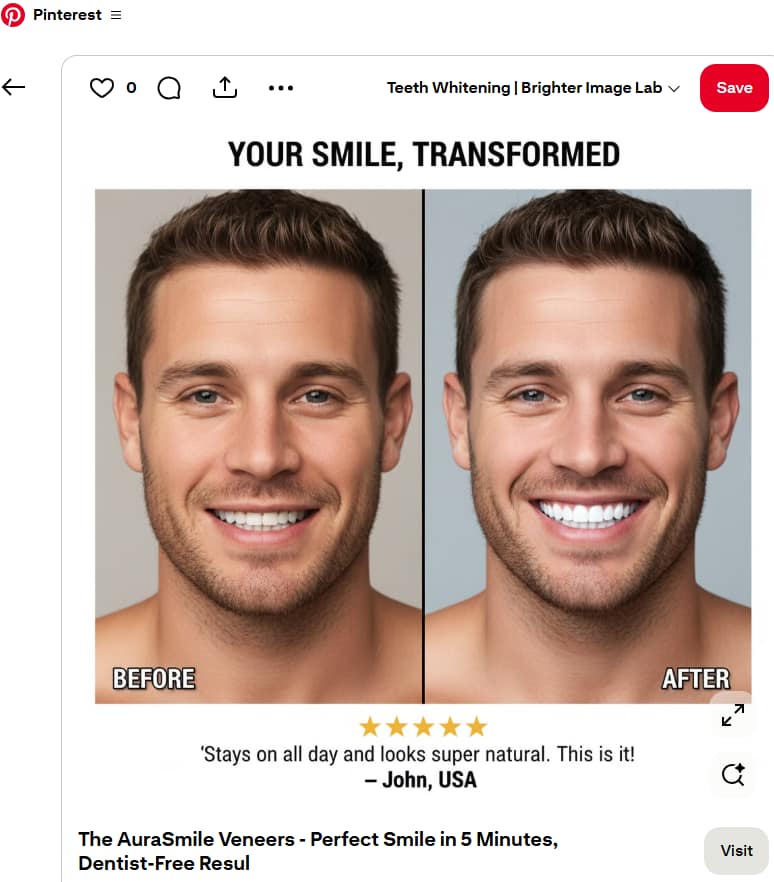
De Pinterest-advertentie voor Snap-On Veneer van AuraSmile van Evaberry New York maakt gebruik van een opzichtige, hyperdramatische glimlachtransformatie die bedoeld is om consumenten te misleiden, maar het visuele bewijs onthult een verontrustend patroon van berekende misleiding en digitale vervalsing.
Bewezen manipulatie
- Anatomische inconsistenties: Hoewel de gelaatsstructuur van het model verdacht statisch blijft, zijn de tanden, de belichting en de huidskleur op agressieve wijze gemanipuleerd om een valse realiteit te creëren.
- AI-ondersteunde vervalsing: De hele presentatie schreeuwt om zware retouche en AI-gestuurde manipulatie, bedoeld om overdreven, onmogelijke resultaten tegen de kijker te gebruiken.
- Frauduleuze vergelijkingen: De "voor-en-na"-reeks mist elke vorm van authenticiteit en berust op inconsistente composities die de beelden als frauduleus ontmaskeren.
Deze Pinterest-advertentie voor Snap-On Veneer laat elke schijn van eerlijke weergave varen en kiest er in plaats daarvan voor om de perceptie van de consument opzettelijk te manipuleren door middel van misleidende en frauduleuze visuele beweringen.
TEMU / Koalas Winkel
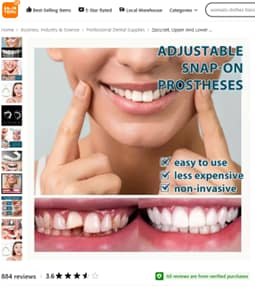
Deze Pinterest-advertentie voor Snap-On Veneers maakt misbruik van hypergepolijste vergelijkingsfoto's en misleidende close-ups om verwijderbare veneers aan te prijzen onder het mom van legitieme cosmetische tandheelkunde.
Bewijs van visuele misleiding
- Kunstmatige symmetrie: De geadverteerde glimlachen vertonen een opmerkelijke, uniforme symmetrie die indruist tegen de natuurlijke tandbiologie.
- Digitale airbrushing: Huidtexturen en belichting worden agressief gladgestreken en digitaal bewerkt om de imperfecties van een fysiek product te maskeren.
- Verdwijnende realiteit: De marketing legt de nadruk op "cosmetische perfectie", terwijl belangrijke feiten over productdikte, ongemak of daadwerkelijke pasvorm opzettelijk worden verzwegen.
- Productmismatch: Er is een flagrante, frauduleuze discrepantie tussen de inferieure facings die worden verkocht en de hoogwaardige digitale glimlachen die als lokmiddel worden gebruikt.
Deze promotiecampagne is een berekende aanval op de werkelijkheid, uitsluitend geoptimaliseerd voor een roofzuchtige visuele impact in plaats van een eerlijke weergave.
TEMU – Venolure
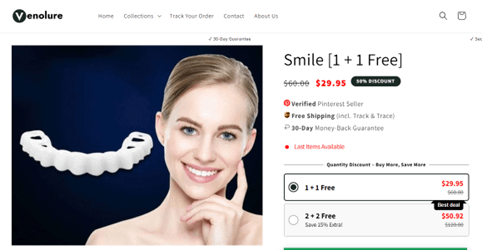
De Venolure-advertentie is een schoolvoorbeeld van de misleidende Pinterest Snap-On Veneer-propaganda die momenteel Pinterest en andere digitale marktplaatsen vergiftigt.
De advertentie lokt consumenten aanvankelijk met een oogverblindend symmetrische glimlach naast een spotgoedkoop, uitneembaar apparaatje. Deze tegenstelling is echter een berekende leugen, bedoeld om de realiteit van het inferieure product dat wordt verkocht te verbergen.
Bewijs van systematische misleiding
- Gefabriceerde anatomieDe glimlach van het model heeft een professionele, uniforme verbetering die fysiek onmogelijk te bereiken is met een goedkope, verwijderbare plastic mal.
- Opvallende productmismatchHet goedkope apparaat dat in de advertentie wordt getoond, heeft geen enkele gelijkenis met het hoogwaardige tandheelkundige werk dat in de promotiefoto's te zien is.
- Gevormd versus natuurlijk: Het fysieke product is duidelijk een grof, uit één stuk gegoten stuk, maar de marketing maakt gebruik van afbeeldingen van individuele, natuurlijk ogende tanden om kopers te misleiden.
- Commerciële vervalsingElke pixel – van huidtextuur tot belichting – is grondig bewerkt om een hoogglanzende façade te creëren die productdefecten verbergt.
- Roofzuchtige urgentieMisleidende labels zoals 'Geverifieerde Pinterest-verkoper' en 'Laatste artikelen beschikbaar' zijn psychologische valkuilen die ontworpen zijn om logisch denken te omzeilen en een impulsieve aankoop onder hoge druk af te dwingen.
Uiteindelijk is de marketing van Venolure een roofzuchtige operatie die digitale vervalsing en gecreëerde urgentie inzet om een product te verkopen dat onmogelijk aan de frauduleuze beweringen kan voldoen.
Gestolen foto's en misleidende reclame.
Amerikaanse telefoonkaarten & 7 Cat Box
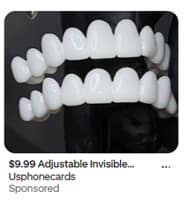
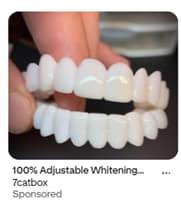
Het meest overtuigende bewijs voor de Pinterest Snap-On Veneer-oplichting is het schaamteloze gebruik van gemanipuleerde – en vaak gestolen – afbeeldingen om inferieure rommel aan te prijzen. Dit is geen toeval; het is een systematische diefstal van intellectueel eigendom die wordt gebruikt om nietsvermoedende slachtoffers te lokken.
Dezelfde glimlachfoto's worden hergebruikt in tientallen frauduleuze merken en totaal andere advertenties. Deze advertenties zijn overladen met agressieve retouches en door AI verbeterde "resultaten" die onmogelijke transformaties suggereren, die totaal niet overeenkomen met de werkelijkheid.
Dit is geen 'marketing', maar een psychologische aanval. Deze bedrijven gebruiken valse urgentie en misleidende beelden om consumenten te manipuleren en hen een product te laten kopen dat letterlijk niet bestaat zoals geadverteerd.
Oplichters verschuilen zich achter nepbadges van 'geverifieerde verkoper' en verzonnen waarschuwingen over 'beperkte voorraad'. Ze bieden enorme kortingen aan, terwijl ze afbeeldingen tonen die opzettelijk niet overeenkomen met het daadwerkelijke product dat wordt verzonden.
Consumenten worden digitaal misleid met leugens in plaats van de transparantie die ze verdienen. Er is geen sprake van verantwoording in een markt die gebouwd is op bedrog.
Echte cosmetische professionals bieden daadwerkelijk maatwerk en gegarandeerde resultaten. Ze maken geen gebruik van gekopieerde producten, digitale vervalsingen of agressieve verkooptechnieken om een impulsieve aankoop af te dwingen.
Laat u niet langer verleiden door een digitaal gecreëerde fantasie. Voordat consumenten in deze online valstrikken trappen, moeten ze eisen dat de resultaten authentiek zijn of zich afkeren van deze misleidende tandheelkundige praktijken.
De Brighter Image Lab Verschil
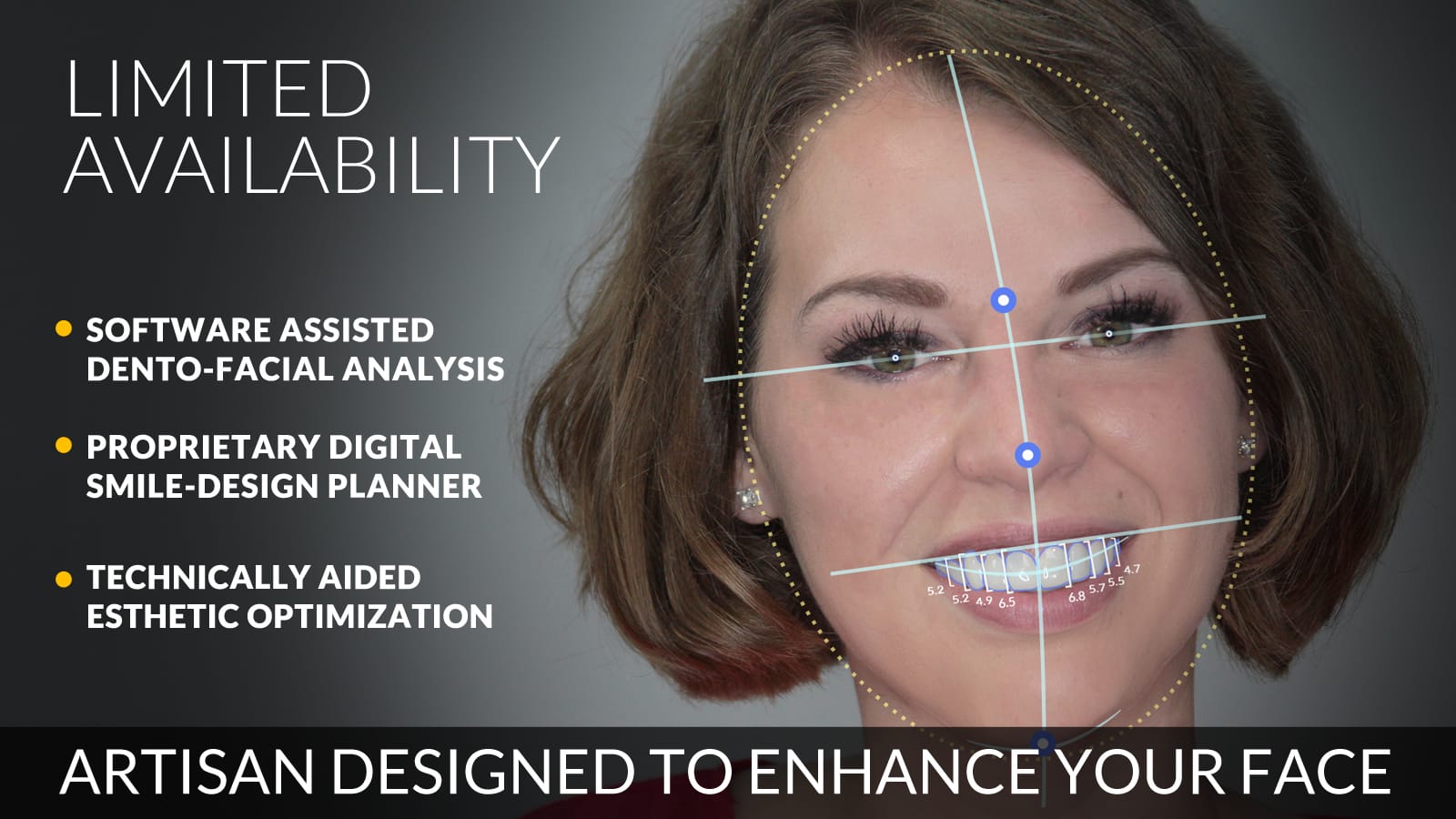
Brighter Image Lab Het bedrijf hanteert een fundamenteel andere aanpak dan veel van de goedkope fineermerken die vaak op Pinterest en online marktplaatsen worden gepromoot.
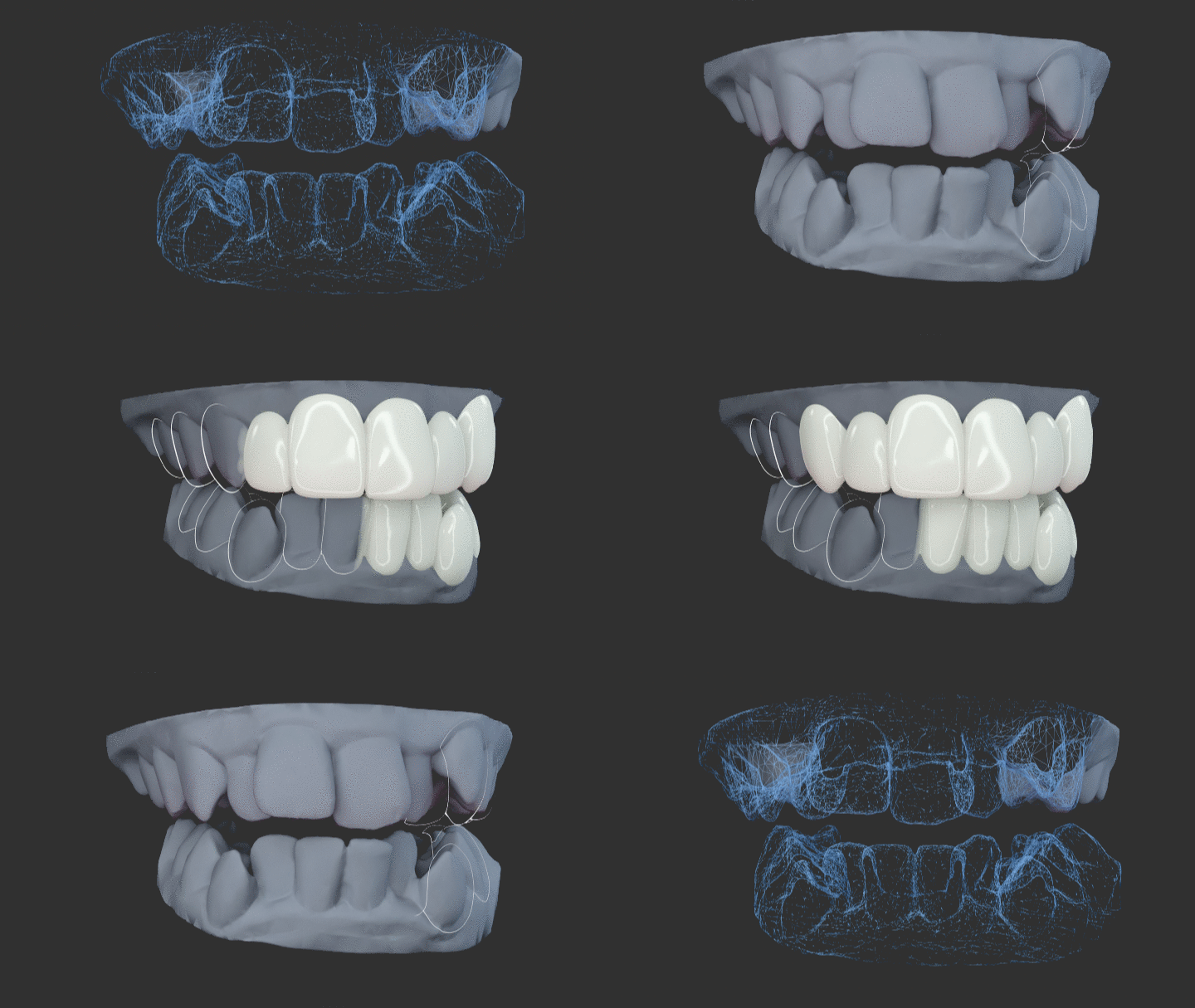
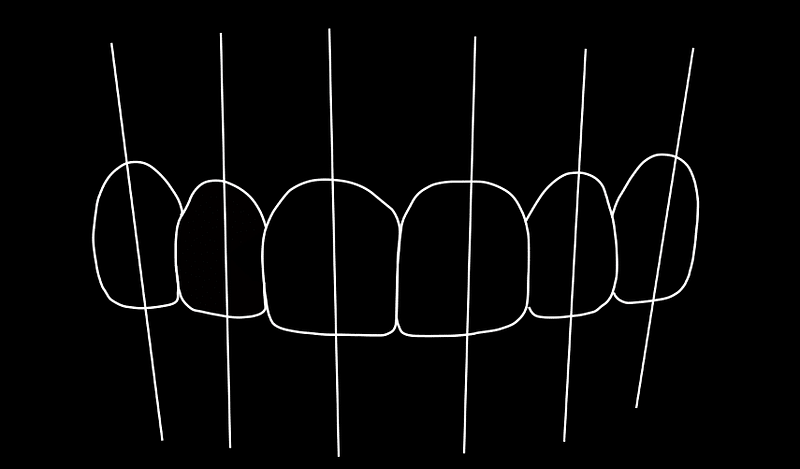
In plaats van te vertrouwen op sterk bewerkte marketingfoto's en massaal geproduceerde producten, richt het bedrijf zich op individueel vervaardigde facings die zijn ontworpen rond de unieke glimlach, gezichtsstructuur en cosmetische doelen van elke klant.
De nadruk ligt op het creëren van geloofwaardige, draagbare resultaten – niet op overdreven, 'te perfecte' transformaties die alleen in gefilterde advertenties voorkomen.
Brighter Image Lab Ook wordt er prioriteit gegeven aan een optimale klantervaring, duurzaamheid op lange termijn en transparante verwachtingen gedurende het hele proces. In plaats van generieke producten in één maat te gebruiken, worden de facings professioneel op maat gemaakt om het comfort, de pasvorm en het algehele uiterlijk te verbeteren.
Jarenlange gedocumenteerde klantcases, geverifieerde recensies en daadwerkelijke glimlachtransformaties helpen professioneel vervaardigde veneers te onderscheiden van veel van de goedkopere producten die agressief worden aangeprezen via Pinterest en kortingswebsites.
Conclusie
De advertenties voor Snap-On Veneer op Pinterest zijn ontworpen om snel de aandacht te trekken, maar consumenten moeten zorgvuldig beoordelen of de marketingafbeeldingen de verkochte producten realistisch weergeven.