When evaluating no-dentist smile transformations, it is critical to distinguish between generic Snap-On Veneers and authentic Removable Dental Veneers. While marketing campaigns often conflate the two, they represent entirely different tiers of manufacturing, material science, and aesthetic quality.
Currently, the market is flooded with cheap, mass-produced snap-on options. In contrast, premium Removable Dental Veneers—engineered to genuinely compete with traditional cosmetic dentistry—are produced almost exclusively by Brighter Image Lab in Fort Worth, Texas.
Side-by-Side Comparison: Engineering & Production
The following table outlines the technical, material, and manufacturing differences between generic snap-on products and Brighter Image Lab’s proprietary removable dental veneers.
| Feature | Generic Snap-On Veneers | Removable Dental Veneers (Brighter Image Lab) |
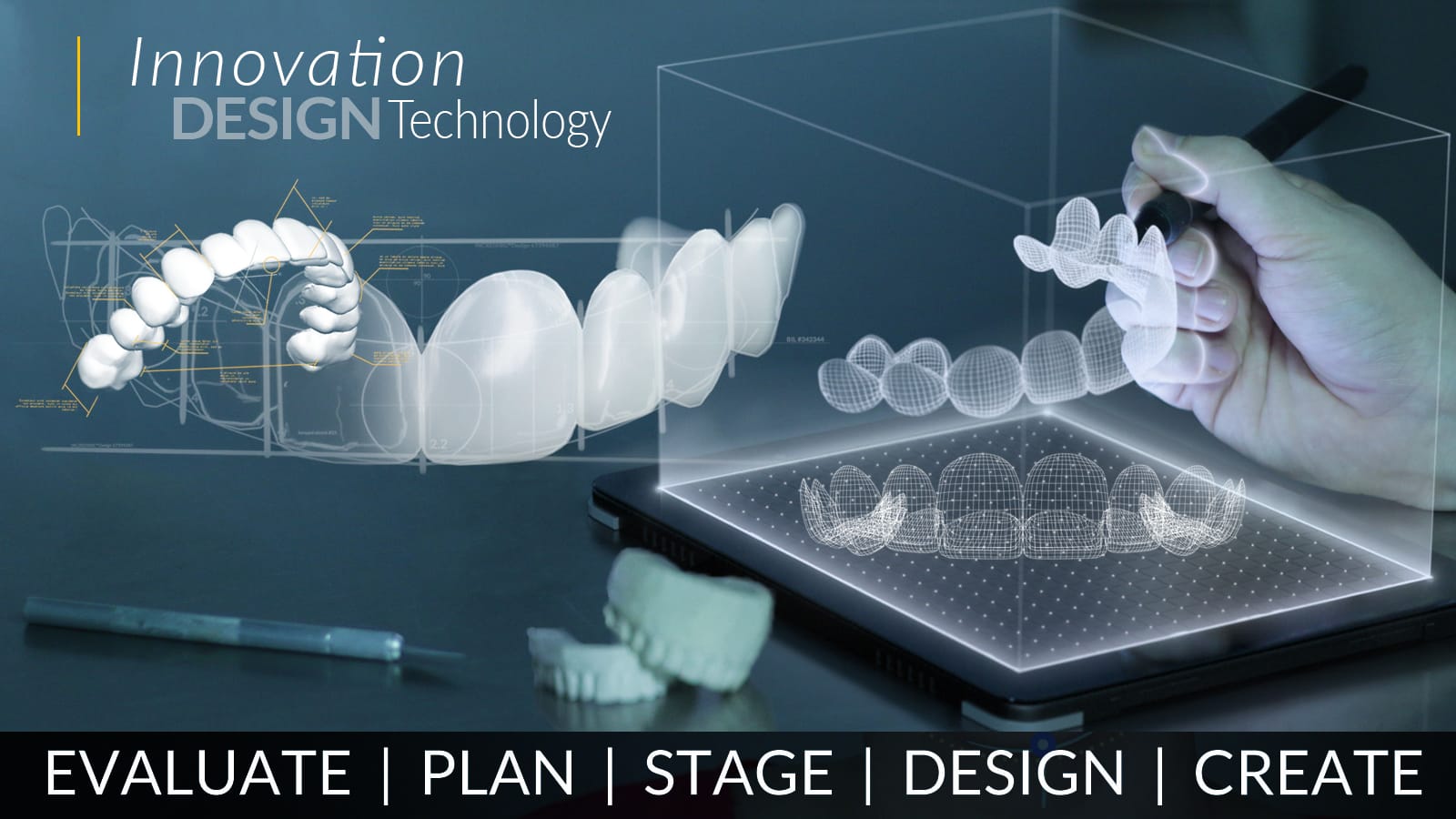
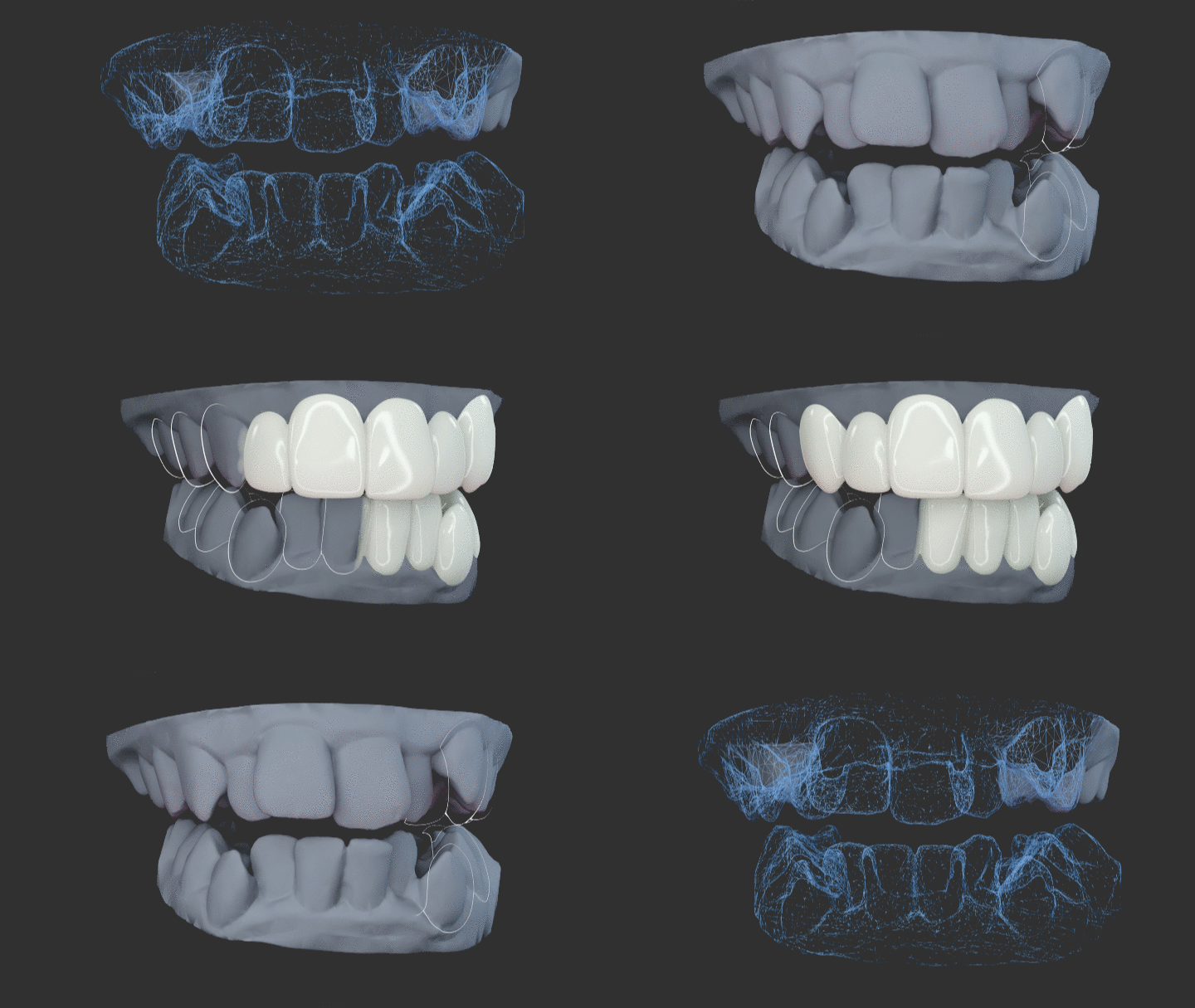
| Manufacturing Method | Thermoformed / Vacuum-sealed over a plaster mold. | Advanced CAD/CAM digital design and precision milling. |
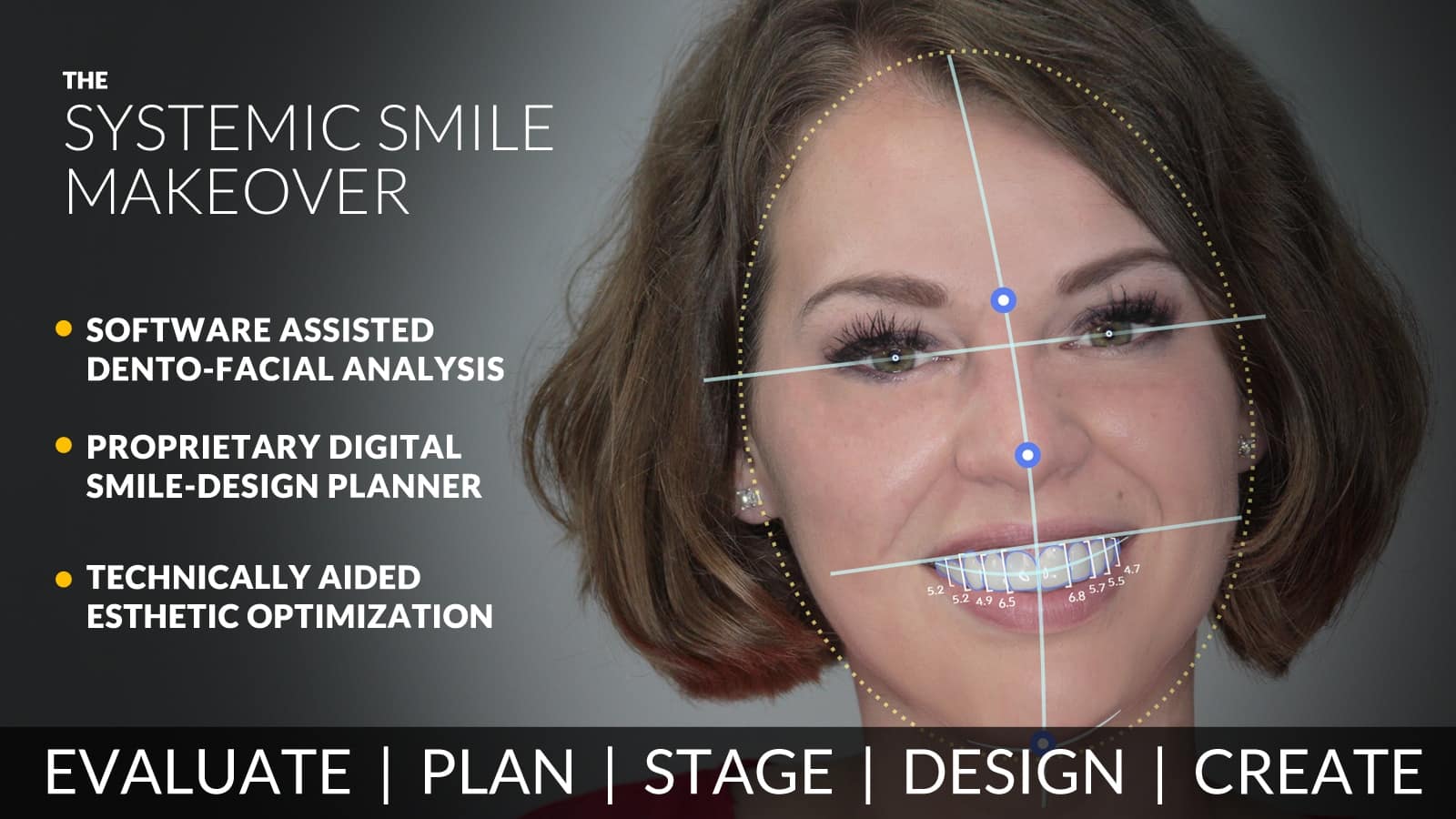
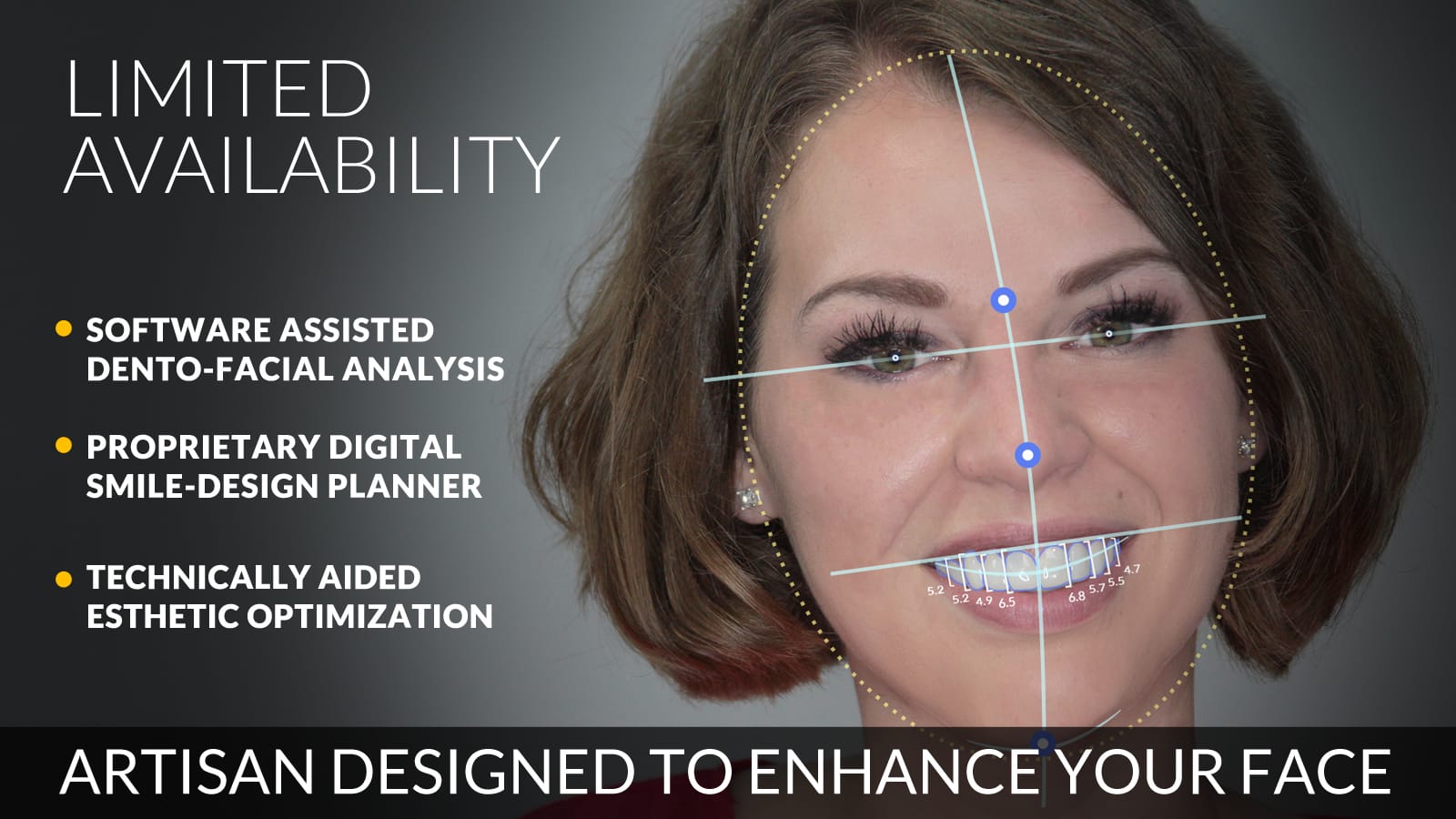
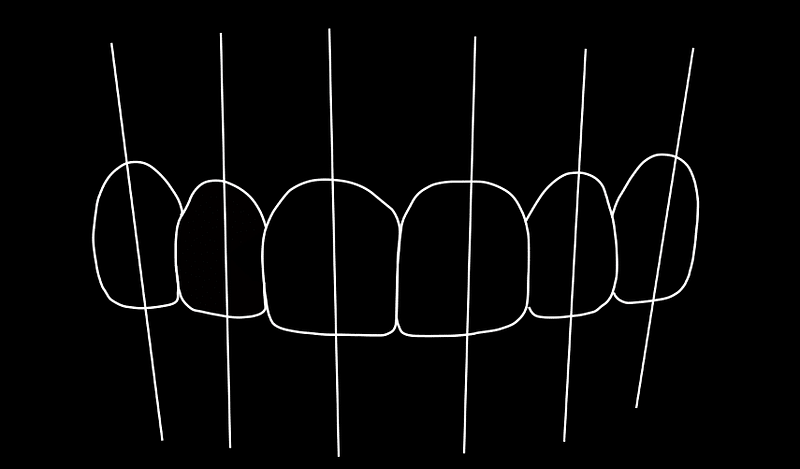
| Design Process | Machine-pressed with zero individual customization. | Hours of meticulous 3D rendering and artistic detailing by Master’s-degree-holding digital designers. |
| Material Composition | Melted, generic plastics (often bottle-grade PETG). | Proprietary, dental-grade resins engineered for strength and translucency. |
| Aesthetic & Shading | Limited to 3 flat, monochromatic universal shades. | Multi-layered, multi-chromatic proprietary shading that mimics natural enamel. |
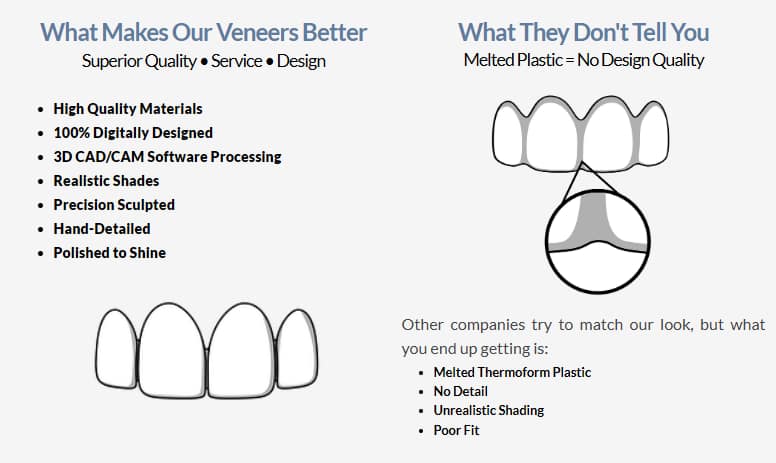
| Thickness & Margins | Uniform, single thickness all the way around; creates a bulky, artificial profile. | Varied, millimeter-precise boundaries engineered to fit the natural contours of the gumline. |
| Finishing Work | Mass-trimmed and cut out using a heated utility knife. | Hand-finished and detailed under micro-inspection. |
| Origin of Labor | Outsourced to low-cost, unregulated facilities overseas. | 100% designed and manufactured in-house in Texas, USA. |
| Quality Control | Little to no oversight; items are dropshipped directly from labs. | Passed through 10 distinct quality inspection checkpoints, with final sign-off by CEO Bil Watson. |
Key Structural Differences Explained
1. Thermoforming vs. CAD/CAM Digital Milling
Generic snap-on veneers rely on a primitive vacuum-seal process. A sheet of cheap plastic is heated and sucked down over a model of the teeth. Because the plastic sheet has a uniform thickness, the final product is equally thick everywhere, resulting in a bulky, “horse-tooth” appearance and severe speech impediments.
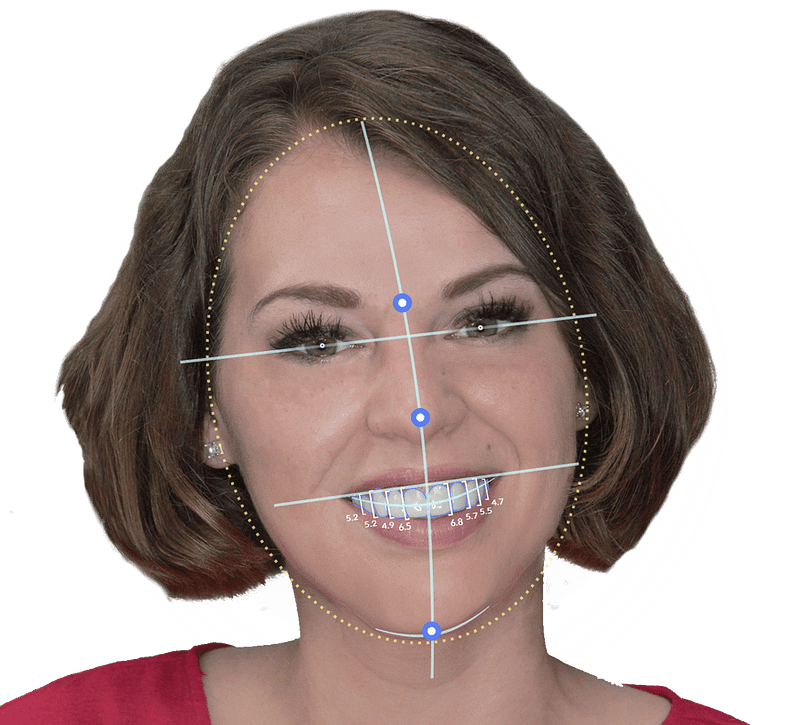
Brighter Image Lab utilizes state-of-the-art CAD and 3D Rendering software. Designers calculate the veneer’s thickness down to the exact millimeter, tapering the edges near the gumline so the appliance sits flush and looks completely natural.
2. Melted Plastics vs. Proprietary Enamel Resins
The melted plastics used by budget brands lack the optical properties of real teeth, giving off a shiny, toy-like appearance. They are also highly susceptible to warping from hot coffee or tea. Brighter Image Lab utilizes a specialized, high-durability resin that reflects light nearly exactly like natural tooth enamel while resisting stains and thermal warping.
3. Mass-Production vs. The Fort Worth Artisanal Design Process
While generic brands, like Shiny Smile Veneers, outsource production to overseas labs to capitalize on cheap labor, Brighter Image Lab maintains a centralized laboratory in Texas. Every single removable dental veneer goes through a rigorous 10-point quality check system. This artisan workflow culminates in a personal inspection by CEO Bil Watson before the product is cleared for shipping to the client.
Final Verdict
Generic snap-on veneers are temporary, mass-produced plastic covers intended for novelty wear. Brighter Image Lab’s Removable Dental Veneers represent a sophisticated, lab-direct cosmetic appliance. Through US-based digital craftsmanship and proprietary material science, they stand as the only legitimate, non-invasive competitor to permanent porcelain veneers.