Navigating the online marketplace for snap on veneer options reveals a stark contrast in quality across three distinct tiers. While all are marketed to enhance your smile, understanding the manufacturing differences separates temporary novelty plastics from custom digital craftsmanship.
Tier 1: The Under-$50 Over-the-Counter Novelties (Amazon/Alibaba/Pinterest)
The most inexpensive option consists of mass-produced novelty snap on veneers sold on discount platforms. These products are completely un-customized “one-size-fits-all” plastic strips.
- The Mechanism: Users submerge a block of thermal plastic beads in boiling water, melt it, and press it against their teeth.
- The Reality: The result is essentially a costume-grade prop. They lack individual tooth definition, look completely solid and white, trap food instantly, and are entirely non-functional for eating or speaking.
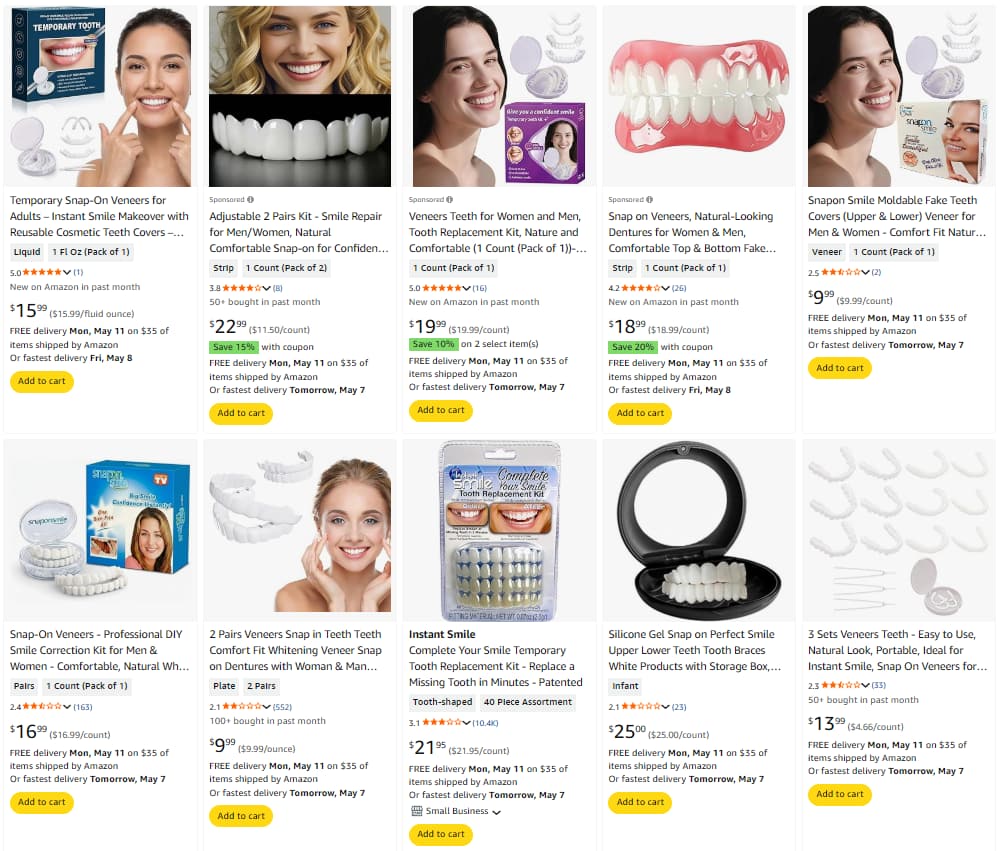
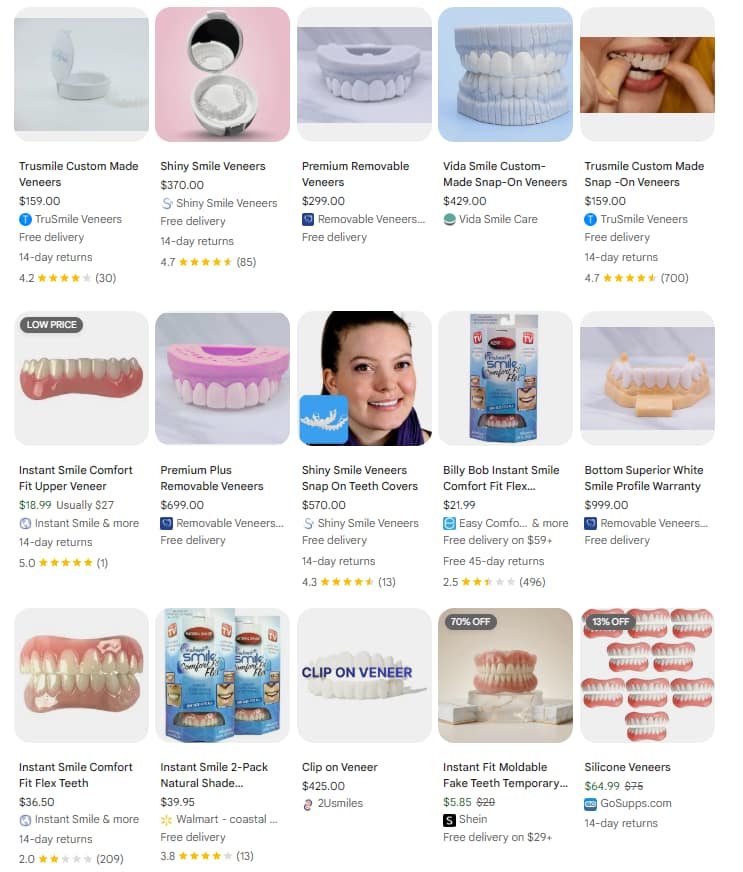
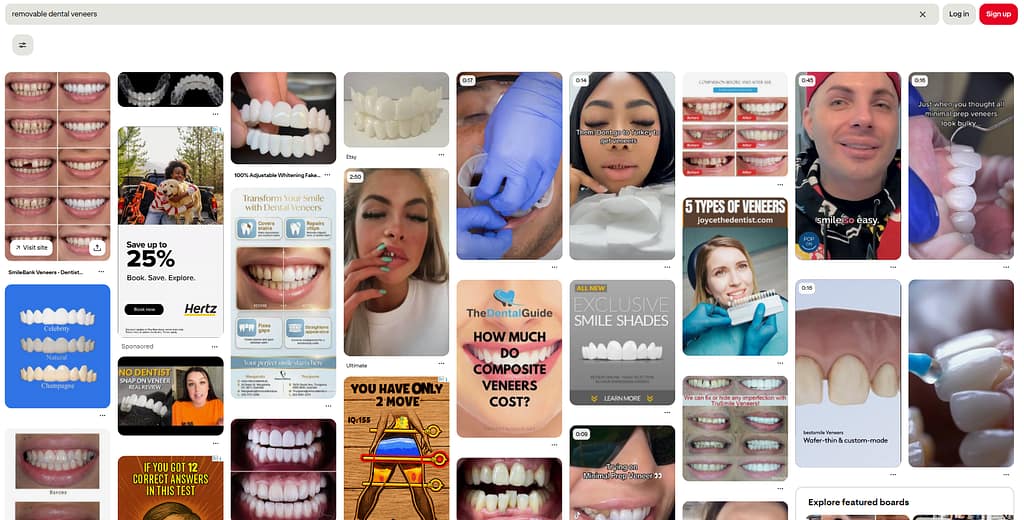
Cheapest veneers you can find – manually formed at home using hot water and gummy materials
Tier 2: The Vacuum-Formed Brand Shortcuts (Shiny Smile, Pop On)
Stepping up to the $250–$600 price bracket introduces mail-order snap on veneer brands that require a home impression kit. However, their manufacturing method remains low-tech.
- The Mechanism: These companies utilize a primitive thermoforming or vacuum-sealed process. A flat sheet of basic plastic—frequently PETG, the exact same compound used to manufacture disposable soda bottles—is heated and vacuum-sucked over a plaster model of the teeth to create your snap on veneer.
- The Reality: Because a flat plastic sheet has a single, uniform thickness all the way around, it cannot mimic the natural depth of a tooth. To prevent breaking, it must be pressed thick, resulting in a bulky profile, an unnatural solid opacity, and a high likelihood of causing speech impediments. These are frequently cut out using a heated knife and outsourced overseas to cut labor costs.
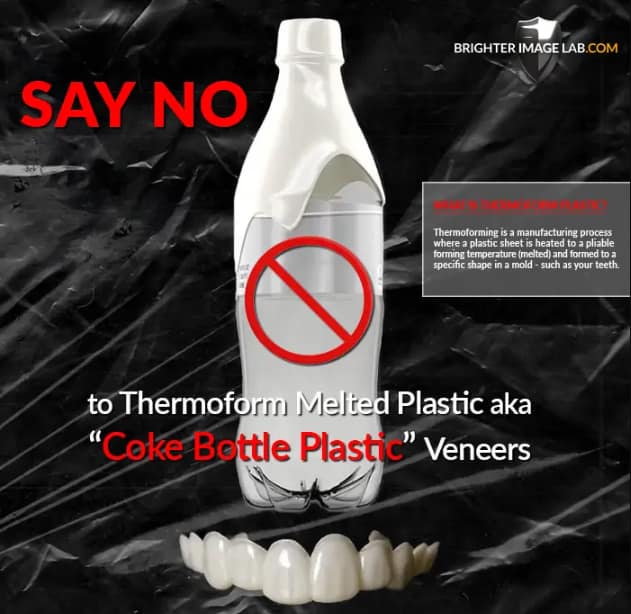
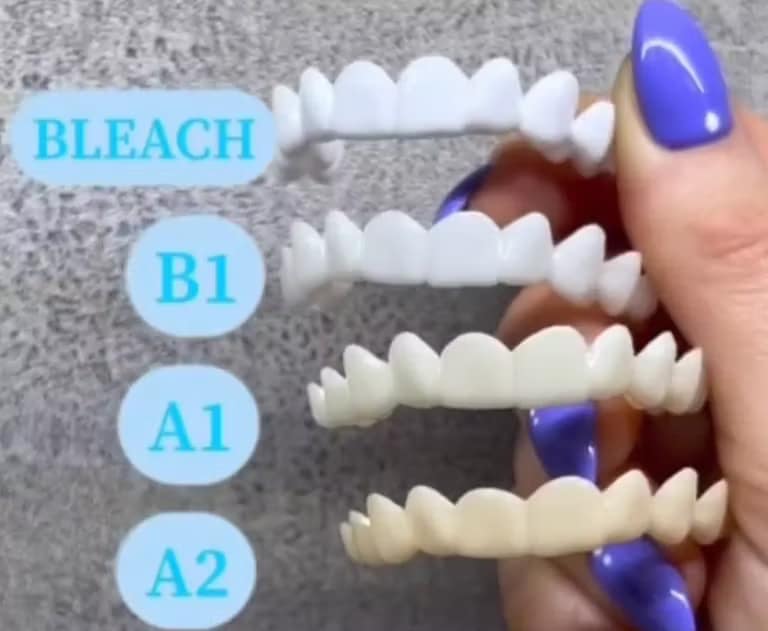
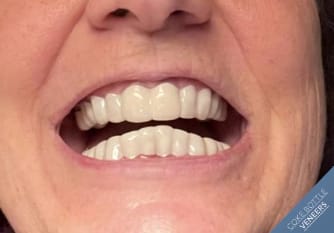
Typical, foreign-made, vacuum formed, melted plastic snap-on veneers by Shiny Smile Veneers and Pop On Veneers
Tier 3: Lab-Direct Removable Dental Veneers (Brighter Image Lab)
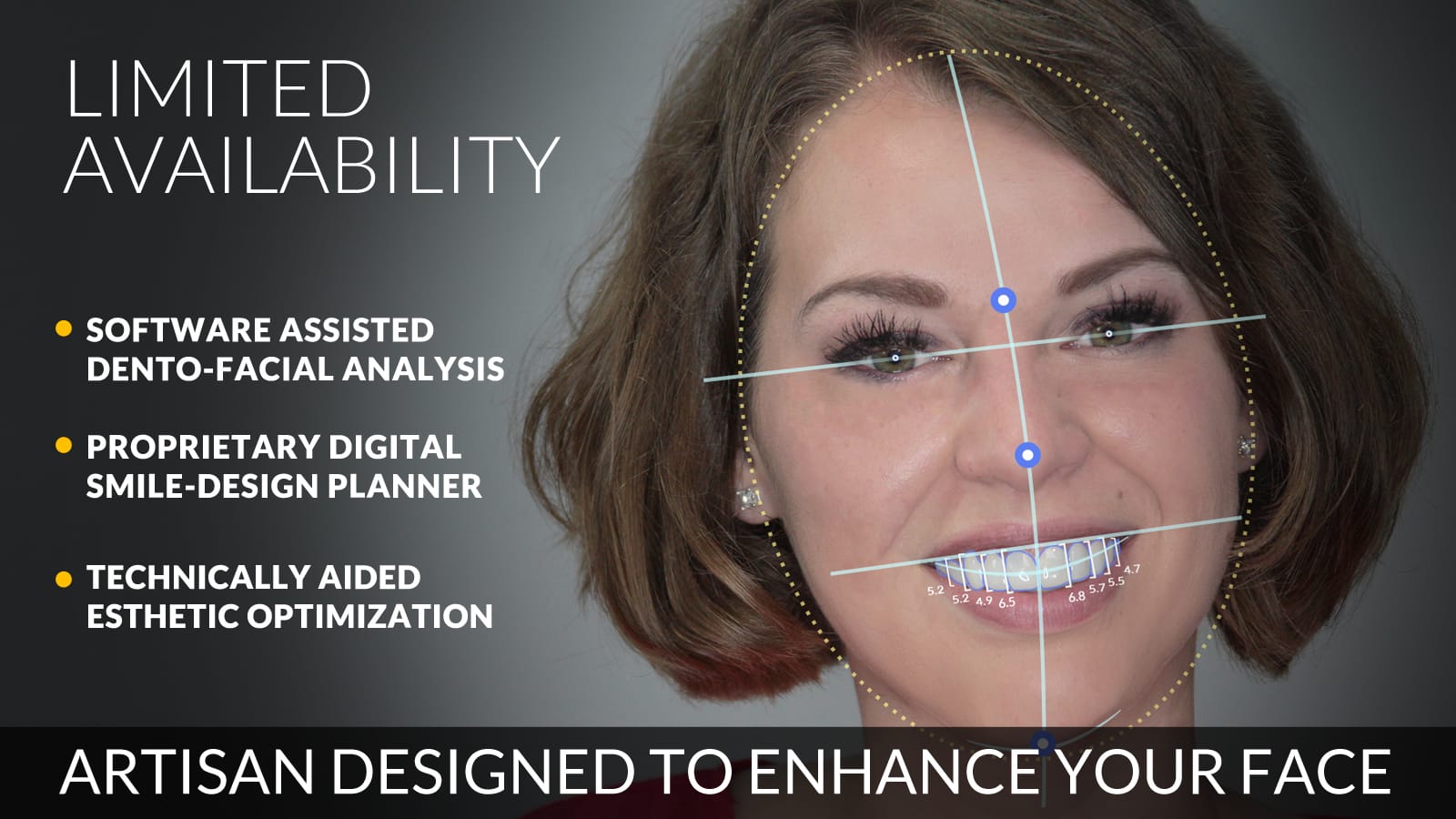
At the highest tier sits Brighter Image Lab, operating out of a specialized digital design facility in Fort Worth, Texas. This is the only tier designed to genuinely compete with permanent cosmetic dentistry. This is where we step up from simple snap on veneers to fully designed removable dental veneers
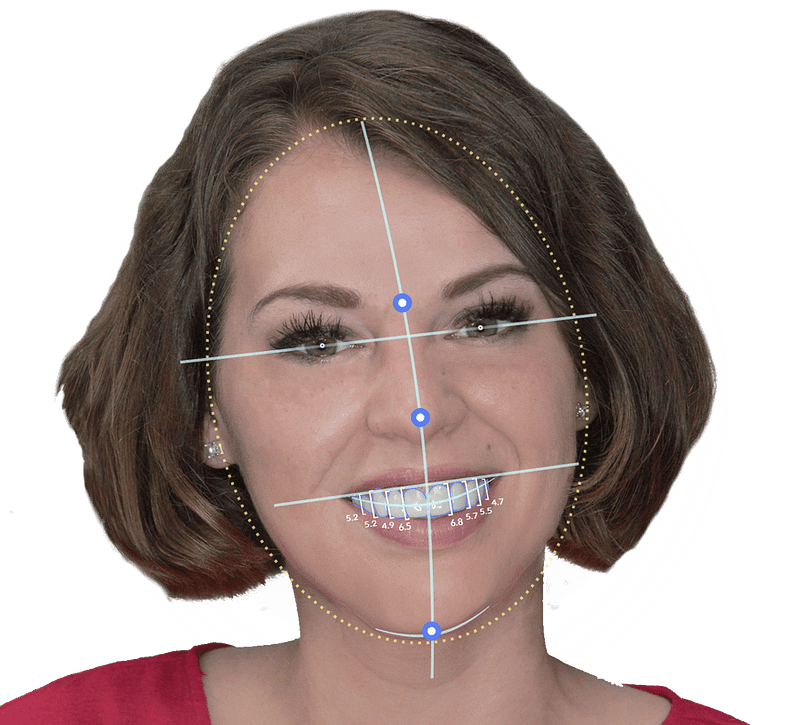
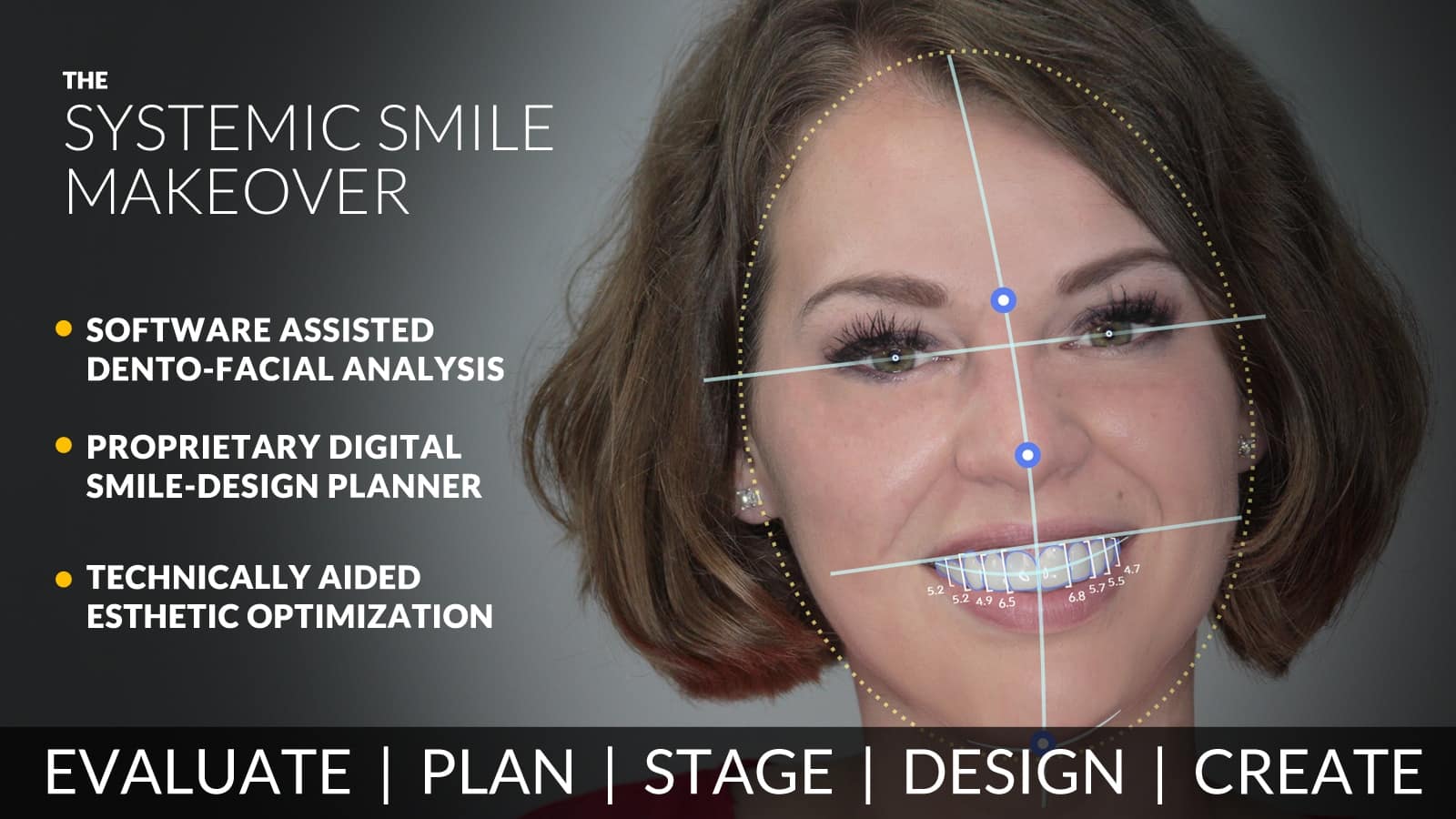
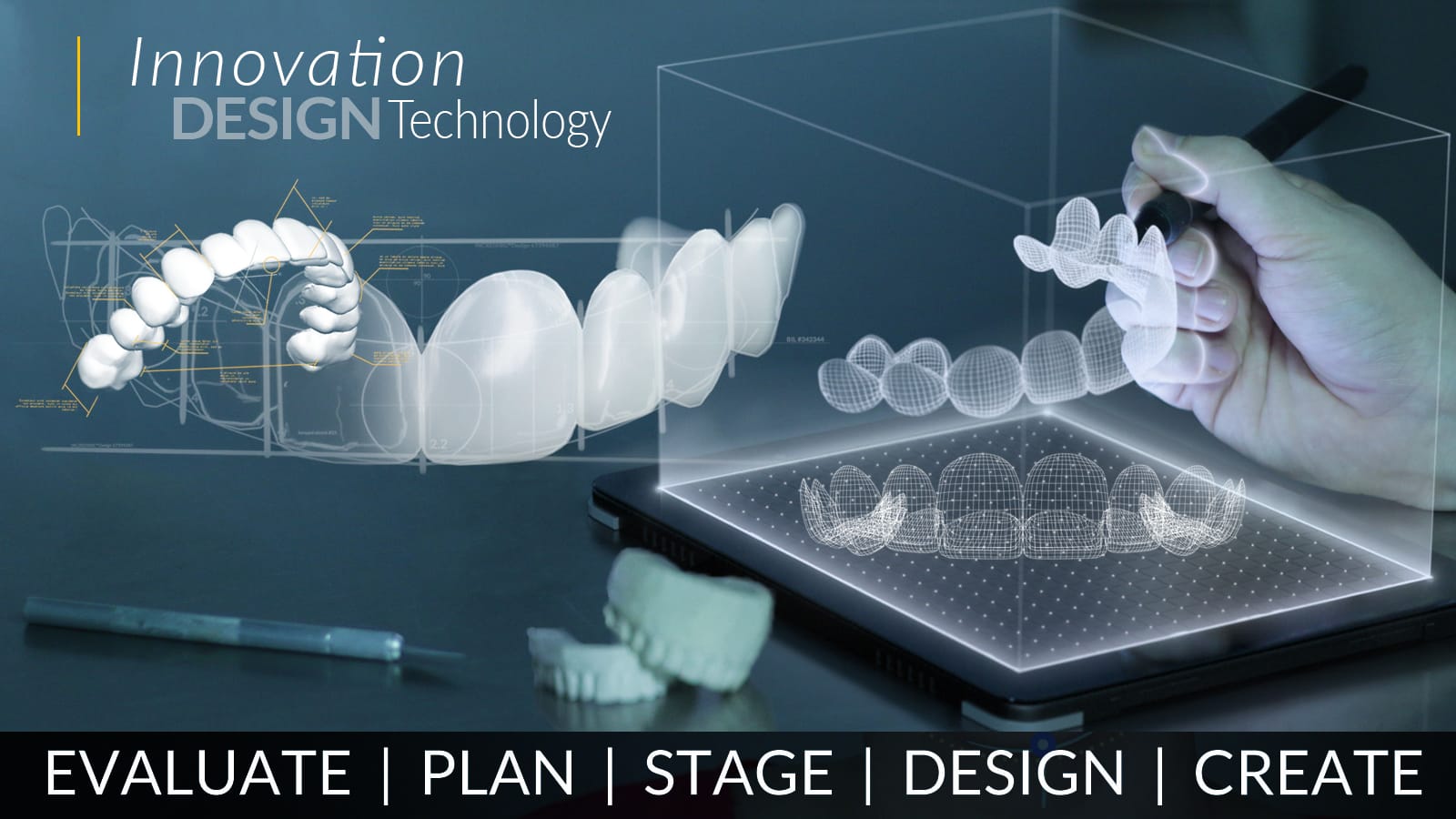
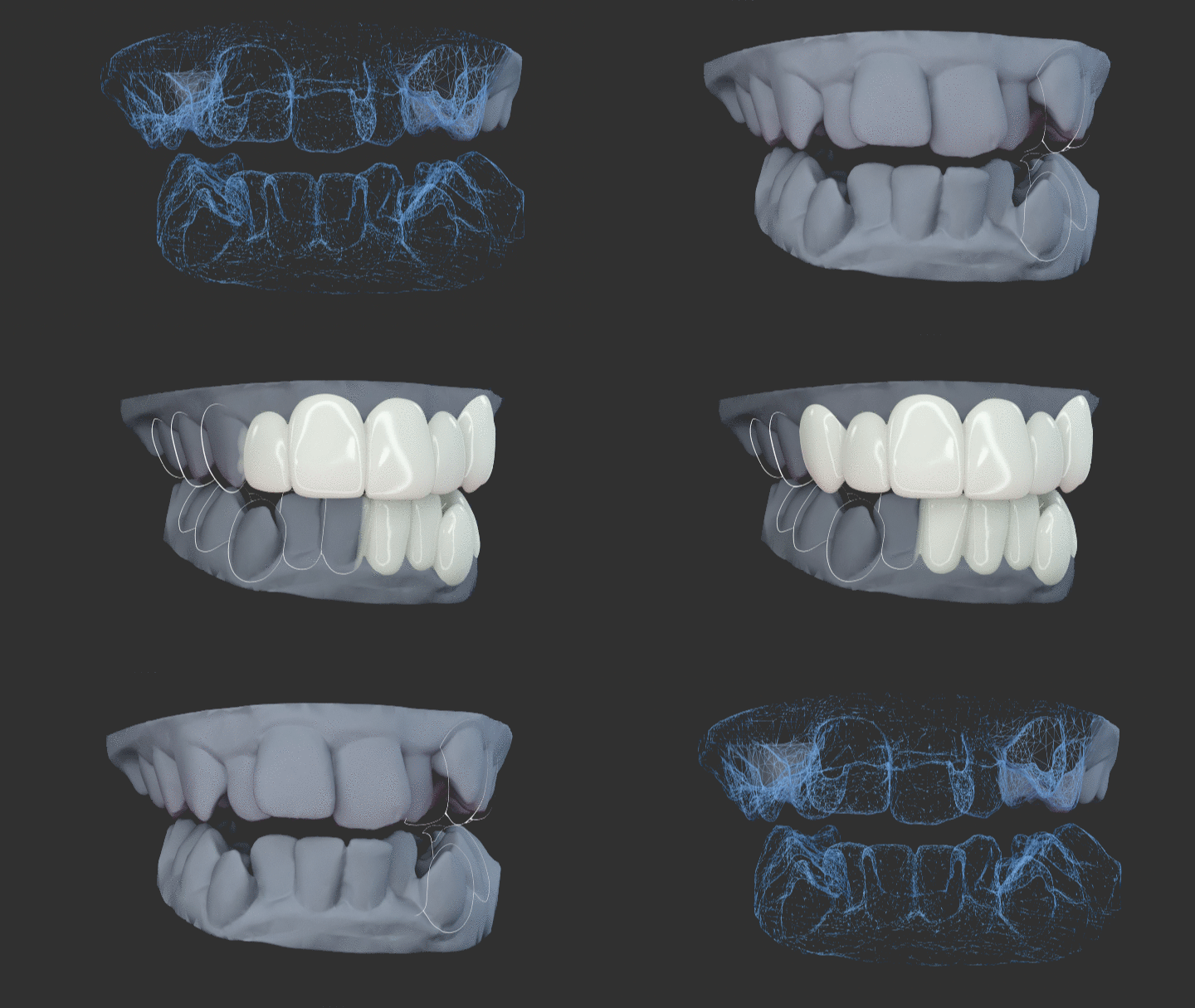
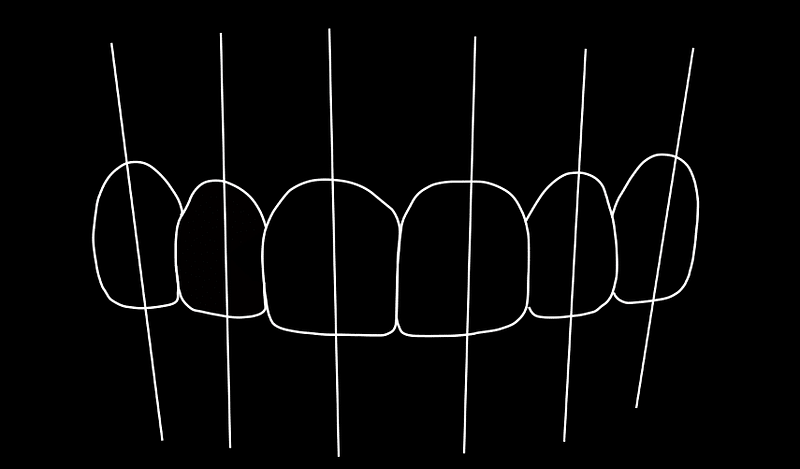
- The Mechanism: Bypassing cheap melted plastics entirely, every appliance is built using advanced CAD/CAM digital design and precision milling. A crew of highly trained digital designers spends hours meticulously 3D-rendering the smile to the exact millimeter, ensuring varied, ultra-thin margins that taper flush against the gumline.
- The Reality: Crafted 100% in-house using proprietary, multi-chromatic dental resins, these removable dental veneers capture the natural, light-reflecting translucency of real enamel. Every single set passes through 10 strict quality checkpoints and is hand-finished and personally inspected by CEO Bil Watson, delivering a highly durable, structurally stable smile transformation.
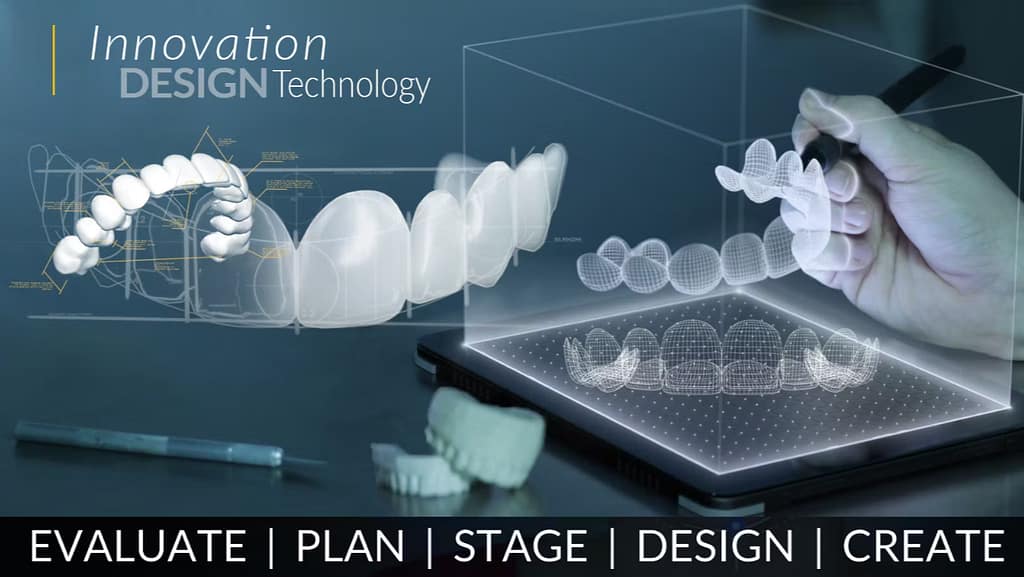
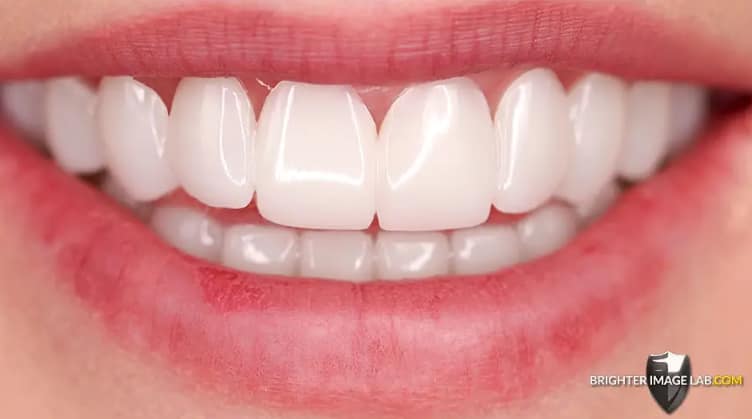
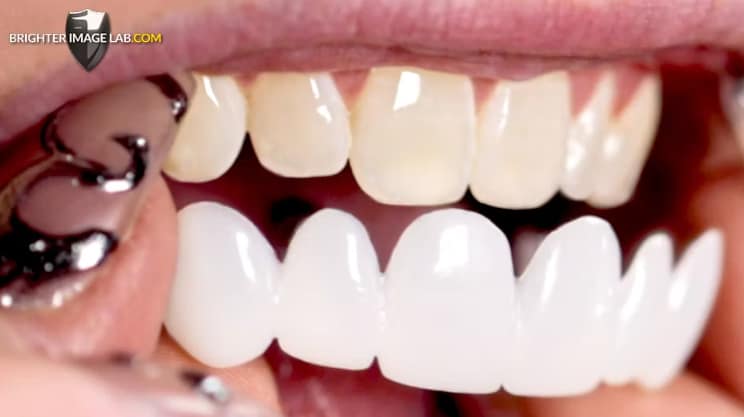
The exclusive removable dental veneer by Brighter Image Lab – one of the only companies using a 100% digital design process that competes with real cosmetic dentistry
Core Differences Between $50, $500, and $900 Snap On Veneers:
| Technical Feature | Tier 1: Over-the-Counter Novelties (Amazon / Alibaba) | Tier 2: Vacuum-Formed Shortcuts (Shiny Smile / Pop On) | Tier 3: Removable Dental Veneers (Brighter Image Lab) |
| Average Retail Cost | Under $50 | $250-600 | $700+ Premium Investment |
| Core Material | Melted plastic thermal beads | Flat sheets of generic PETG plastic (same material as soda bottles) | Proprietary, multi-chromatic dental-grade resins |
| Manufacturing Tech | Manual boiling and pressing | Heat-softened and vacuum-sealed over a plaster mold | Advanced CAD/CAM digital design and precision milling |
| Design Control | None (One-size-fits-all strip) | Machine-pressed; uniform thickness all the way around | Hours of individual 3D rendering by digital designers |
| Thickness & Margins | Thick, bulky plastic block | Excessively thick to prevent tearing; lacks edge tapering | Varied, millimeter-precise boundaries tapered flush to the gumline |
| Shading & Optics | Single, solid opaque white | 3 flat, monochromatic universal shades | Translucent, multi-layered shading that mimics natural tooth enamel |
| Finishing Method | None | Mass-trimmed and cut out using a heated utility knife | Hand-finished, detailed, and micro-inspected |
| Facility & Labor | Mass-produced overseas factories | Frequently outsourced to low-cost overseas assembly labs | 100% designed and manufactured in-house in Fort Worth, Texas |
| Quality Control Checkpoints | Zero inspections | Minimal to none; relies heavily on dropshipping | Passed through 10 strict quality checkpoints with final inspection by CEO Bil Watson |
| Functional Reality | Costume prop; completely unwearable for eating or speaking | Bulky “horse-tooth” appearance; frequently causes noticeable lisps | Comfortable, structurally stable, and engineered to compete with cosmetic dentistry |