Table of Contents
- What Causes Gaps Between Teeth and When to Treat Them
- Dental Bonding for Gap Teeth: How It Works
- Veneers to Close Gaps Between Teeth
- Snap-On Veneers for Gaps: A Custom-Made Alternative
- Clear Aligners and Other Professional Options
- Cost to Fix a Gap in Teeth: Comparing Your Options
- Choosing the Right Solution for Your Gap
- Frequently Asked Questions
Last Updated: October 18, 2026
What Causes Gaps Between Teeth and When to Treat Them
Gaps between teeth (diastema) are common and often harmless, but the cause matters: some are purely cosmetic, while others signal a problem that cosmetic treatment would only hide. Understanding how to fix gaps in teeth starts with identifying the underlying cause.
Common causes of spacing
- Tooth/jaw size mismatch. Teeth smaller than the jaw space they sit in leave room between them, the most common cause of a midline gap, usually stable over time.
- A prominent labial frenum. This tissue band can sit low between the front teeth and hold them apart; the gap often returns after cosmetic closure unless the frenum is addressed.
- Missing or extracted teeth. Unreplaced teeth let neighbors drift into the empty space and open gaps elsewhere.
- Gum disease (periodontitis). Advanced disease destroys the bone and ligament holding teeth in place; teeth loosen, splay, and drift, producing new or widening gaps.
- Bite problems and crowding. An uneven bite or crowding can push teeth out of alignment and create spacing on the opposite side of the arch.
- Habits like tongue thrusting or thumb sucking. Repeated pressure pushes front teeth forward and apart, especially in younger patients.
- Normal age-related shifting. Teeth move slightly throughout life, so small spacing changes are common.
When a gap is normal and when to get it checked
A small, stable gap between the upper front teeth with no symptoms is generally cosmetic. Seek prompt evaluation if a gap is new, widening, or accompanied by other signs:
- A gap that appeared or grew noticeably in a short period
- Teeth that feel loose or have visibly shifted
- Red, swollen, or bleeding gums, or persistent bad breath
- Pain when chewing or a changing bite
- A gap next to a missing tooth
Closing a gap cosmetically before the underlying cause is diagnosed can mask progressing gum disease or bite problems. In those cases the teeth may continue to move beneath a bonding or veneer repair, and the cosmetic work can fail early. A short clinical exam, including gum measurements and a check of your bite, is the safest first step.
Why the cause should be assessed before cosmetic closure
A dentist or periodontist can usually identify the cause with a visual exam, gum probing, and X-rays, answering three questions: Is the gap stable or progressive? Is the supporting bone and gum tissue healthy? Is the bite contributing? Treating gum disease or a bite problem first makes cosmetic results last; a pure size mismatch or prominent frenum can proceed to closure with fewer surprises.
Matching the cause to the likely solution
| Likely cause | What usually needs to happen first | Typical closure options |
|---|---|---|
| Tooth/jaw size mismatch | Confirm the gap is stable | Bonding, veneers, aligners |
| Prominent frenum | Consider a frenectomy if the gap recurs | Bonding, veneers, aligners |
| Gum disease | Periodontal treatment and monitoring | Defer cosmetic closure until stable |
| Missing tooth | Discuss replacement of the missing tooth | Implant or bridge, then aligners or cosmetic work |
| Bite problem or crowding | Orthodontic assessment | Aligners or braces |
| Tongue thrust or habit | Habit therapy or appliance | Aligners, sometimes with retention |
This is why the first appointment matters more than the first treatment: a five-minute conversation about how long the gap has been there, whether it has changed, and whether your gums bleed points you toward the right category before you pay for a cosmetic fix.
Not every gap needs treatment, and not every gap should be closed cosmetically. Stable spacing with healthy gums is a cosmetic choice. A new, widening, or symptomatic gap deserves a clinical evaluation first.
Dental Bonding for Gap Teeth: How It Works
Dental bonding uses tooth-colored composite resin to fill or close gaps between teeth.
Bonding works well to fix gaps in teeth because it’s quick, affordable, and minimally invasive: most appointments take 30 to 60 minutes, and little tooth structure is removed.
The process is straightforward:
- Your dentist cleans and prepares the tooth surface
- Composite resin is applied to fill the gap
- The material is shaped to blend with your natural teeth
- A UV light hardens the resin
- Your dentist polishes the result
What to expect: The bonded area looks natural right away, and you can eat and drink normally afterward.
Bonding works best for small to medium gaps. If your gap is very large, your dentist might recommend veneers or aligners instead.
Veneers to Close Gaps Between Teeth
Porcelain veneers are thin, custom-made shells that cover the front of your teeth and close gaps completely.
The process takes two appointments: your dentist removes a thin layer of enamel and sends impressions to a lab, then bonds the finished veneers permanently.
Why choose veneers for gaps:
- They look extremely natural
- They’re highly durable and resist staining
- They can close large gaps completely
- They improve your overall smile
The downside: veneers require permanent tooth preparation, so some enamel is removed and the process is irreversible. They cost more than bonding and eventually need replacement.
Veneers work best if you want a long-lasting cosmetic solution and don’t mind permanent tooth modification. They’re ideal for gaps combined with other cosmetic concerns like discoloration or uneven teeth.
Snap-On Veneers for Gaps: A Custom-Made Alternative
Snap-on veneers are custom-made removable shells that fit over your existing teeth. Unlike traditional veneers, they require no tooth preparation or permanent modification.
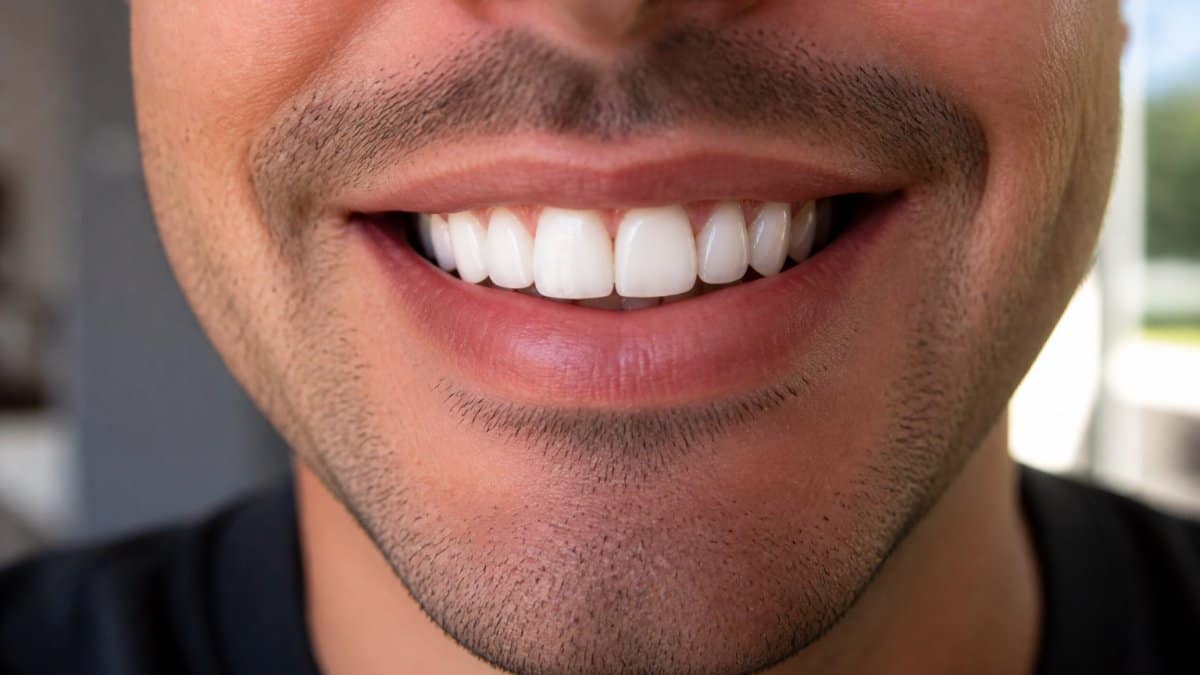
At Brighter Image Lab, we create custom snap-on veneers using our Lab Direct™ process.
Here’s what makes snap-on veneers different:
- No dentist visits required
- No tooth preparation or enamel removal
- 100% reversible, remove them anytime
- Affordable compared to traditional veneers
- Flexible financing options with 100% approval
Wear snap-on veneers daily or just for special occasions; they’re durable enough for normal eating and drinking, and results are immediate without multiple appointments.
The main advantage: you get a custom-made smile solution without invasive procedures. The main limitation: they’re removable, so they require daily care and won’t permanently change your teeth.
Clear Aligners and Other Professional Options
Clear aligners like Invisalign gradually move your teeth to close gaps with gentle, continuous pressure. Most gap closure takes 3 to 6 months, depending on gap size.
Aligners work best if:
- You want a permanent solution that moves your actual teeth
- You’re willing to wear trays for 20+ hours daily
- You prefer a less noticeable option than traditional braces
- Your gap is moderate and your bite is generally healthy
Other professional options include:
- Traditional braces: Still effective for gap closure, though slower and more visible than aligners
- Lingual braces: Braces attached to the back of your teeth, hidden from view
- Orthodontic consultation: A professional can assess your gap and recommend the best approach
All these options require professional orthodontic treatment with ongoing appointments and adjustments.
Cost to Fix a Gap in Teeth: Comparing Your Options
Prices for gap closure vary widely by provider and complexity, so treat any figure as a planning range rather than a quote.
| Method | Typical cost range | Time to result | Expected lifespan |
|---|---|---|---|
| Dental bonding | $150-$500 per tooth | One visit, 30-60 minutes | About 5-10 years |
| Porcelain veneers | $800-$2,000 per tooth | Two or more visits over 2-3 weeks | About 10-15 years |
| Clear aligners | $2,000-$8,000 | 3-6 months for mild spacing | Long-term with retainer use |
| Traditional braces | $3,000-$7,000 | 18-24 months | Long-term with retainer use |
| Removable custom overlays | Varies by design and number of teeth | At-home impression, then lab fabrication | Replace as wear occurs |
What actually drives the price
Two patients can be quoted very different fees for the same treatment. The main factors:
- Number of teeth involved. Bonding and veneers are priced per tooth, so a single midline gap costs far less than spacing across six front teeth.
- Gap size and complexity. Larger gaps may need more material, more shaping, or combined treatments.
- Provider type and location. General dentists, prosthodontists, and orthodontists set different fees, and metropolitan practices charge more than rural ones.
- Lab work. Veneers and aligners involve laboratory fabrication, a significant share of the total.
- Diagnostic work. X-rays, photographs, and bite records add cost but are often included in the quoted fee.
Insurance and payment considerations
Dental insurance often treats gap closure as cosmetic when the goal is appearance alone, so it may not be covered. Coverage is more likely when treatment is medically necessary, spacing contributing to bite problems, gum disease, or difficulty chewing. Even then, plans vary widely, and orthodontic benefits often carry a lifetime maximum and age limit. Before committing, ask for a pre-treatment estimate and confirm:
- Whether the procedure will be filed as cosmetic or medically necessary
- What your plan’s annual maximum and orthodontic lifetime maximum are
- Whether a waiting period applies to orthodontic benefits
- What portion you will owe after deductible and coinsurance
Many practices offer third-party payment plans or in-house financing. Compare the total cost of financing, not just the monthly payment.
The long-term cost most quotes leave out
Upfront price is only part of the picture. Bonding is cheapest per visit but needs repair or replacement every 5-10 years. Veneers cost more but last longer, though they’re irreversible. Aligners and braces move the actual teeth, but results depend on wearing a retainer indefinitely; without retention, teeth can drift back and the gap can reopen.
A useful way to compare is cost per year of wear: divide the upfront fee by the expected lifespan, then add likely maintenance. On that basis, a cheaper option that needs frequent replacement can cost more over a decade than a pricier option that lasts.
Ask for a written treatment plan that lists the fee, what is included (X-rays, lab work, follow-up visits, retainers), and what is not. That single document makes it much easier to compare quotes from different providers.
Budgeting questions to ask before you choose
- Is the quoted fee all-inclusive, or are diagnostics and follow-ups billed separately?
- If the result needs repair, what does a typical touch-up cost?
- Does the treatment require a retainer or replacement part, and what does that cost over time?
- Is there a payment plan, and what is the total financed amount?
- Will the practice provide a pre-treatment estimate for insurance?
Compare options on total cost over time, not just the first invoice. Factor in insurance classification, expected lifespan, and maintenance, and get every quote in writing before you decide.
Choosing the Right Solution for Your Gap
Your best option depends on four factors: gap size, location, your goals, and your budget.
Small gaps (less than 2mm): Dental bonding is often the fastest, most affordable choice.
Medium gaps (2-4mm): Bonding still works, but veneers or snap-on veneers offer more durability; for a permanent solution, consider clear aligners.
Large gaps (more than 4mm): Veneers, aligners, or braces work best. Bonding alone may not close the gap completely.
Location matters too. A gap between your front teeth is purely cosmetic.
Your lifestyle and preferences are crucial. For quick results without dentist visits, snap-on veneers or bonding fit.
Ask yourself these questions before deciding:
- How quickly do I want results?
- Do I want a reversible or permanent solution?
- What’s my budget?
- Am I comfortable with dental procedures?
- How long do I want the solution to last?
Your answers guide you toward the right choice.
Closing gaps in your teeth doesn’t require years of braces or invasive procedures. If you’re ready to explore a custom, removable solution that closes gaps without dentist visits, Brighter Image Lab offers a convenient alternative with our Lab Direct™ process. Check your eligibility and upload your photos for a free consultation.
Frequently Asked Questions
Can dental bonding close a gap between teeth?
Yes. Dental bonding uses tooth-colored composite resin to fill the space between teeth. A dentist applies the material directly to the tooth surface, shapes it to match your natural teeth, and hardens it with a light. Bonding works best for small to moderate gaps and typically takes 30-60 minutes per tooth. Results last 5-10 years with proper care, though the material can stain or chip over time.
How do snap-on veneers for gaps compare to permanent veneers?
Snap-on veneers are removable, require no tooth preparation, and can be worn daily. Permanent porcelain veneers are bonded to your teeth, last 10-15 years, but require enamel removal and are not reversible. Snap-on veneers cost less, involve no pain or dental visits, and let you test the look before committing. Permanent veneers look seamless but demand ongoing maintenance and a higher investment.
Are there safe ways to close gaps at home without professional help?
DIY methods like rubber bands, dental floss, or over-the-counter gap fillers carry serious risks: they can damage tooth enamel, cause gum infection, or shift teeth incorrectly. Custom snap-on veneers made through an at-home impression system are a safe alternative, they’re designed by professionals and never alter your natural teeth. Always consult a dentist before trying any gap-closing method.